A closer look
Understanding head lice — and what to do next
Head lice are common among school-age children. They can be frustrating for families, but they are manageable. Knowing what to look for and taking a careful, consistent approach can make the process less stressful.
Why checking for lice matters
Head lice spread primarily through direct head-to-head contact, which is common when children play, read or spend time close together. Lice do not jump or fly, and having lice is not a sign of poor hygiene.
Finding an infestation early helps families start appropriate treatment, check close contacts and limit further spread. Itching is common but not everyone itches right away, so a careful scalp and hair check can be useful even without symptoms.
Signs your child may have head lice
Common signs include an itchy scalp, a tickling sensation in the hair, visible crawling lice, or small eggs (nits) attached firmly to individual hair shafts near the scalp. Scratching may also irritate the skin.
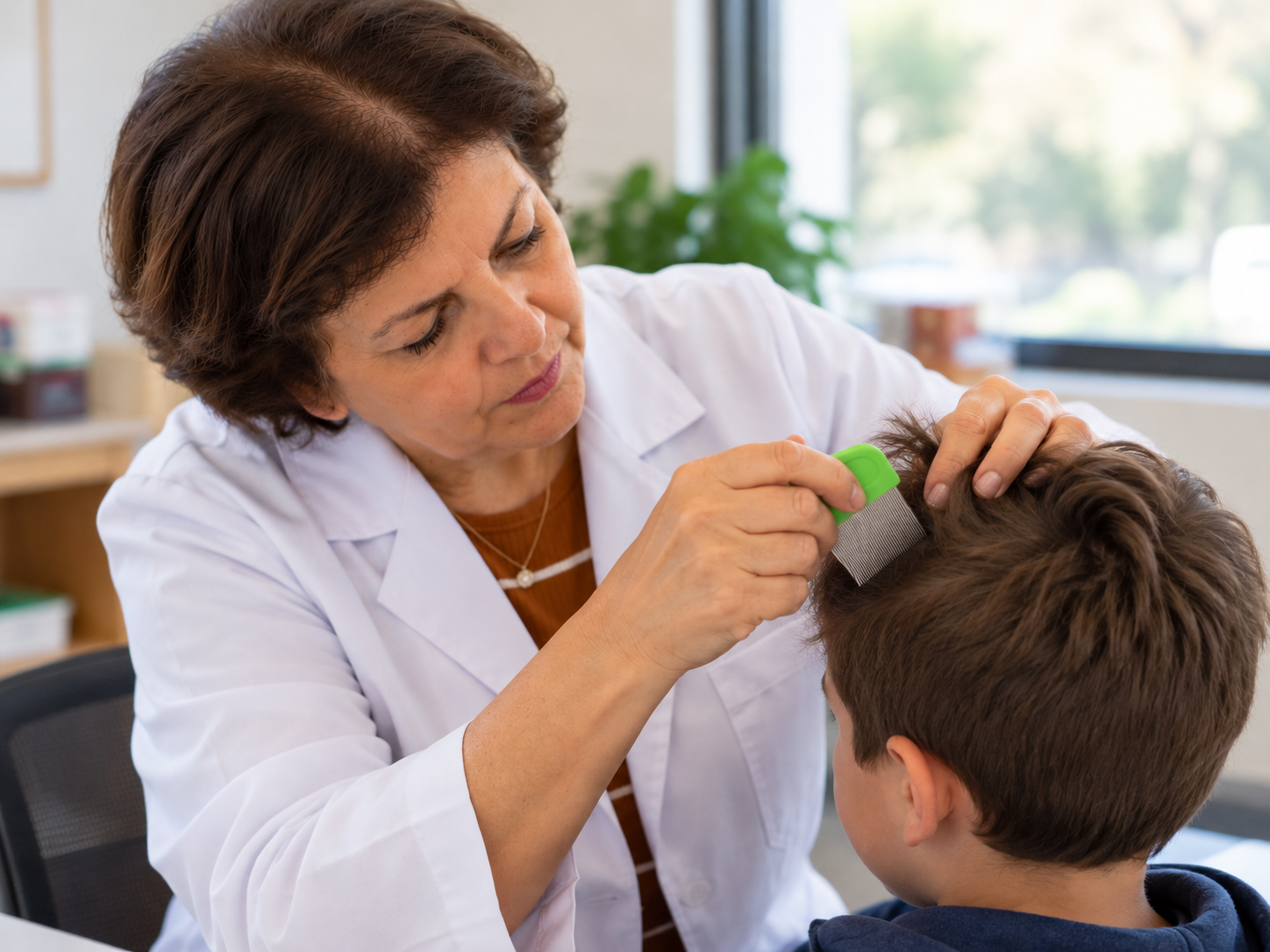
Dandruff and other debris can resemble nits. A thorough check with good lighting and a fine-toothed lice comb can help distinguish them. If the scalp looks infected or symptoms persist, seek medical advice.
What Lice Off! offers families
- Careful head lice checks: attentive inspection of the hair and scalp for lice and nits.
- Hands-on combing and removal: a patient approach designed with children's comfort in mind.
- Clear explanations: practical guidance about findings and appropriate next steps.
- Follow-up guidance: information about rechecking, household contacts and reducing reinfestation risk.
Every child's hair is different. Our approach emphasizes attention to detail and a calm experience rather than rushing through the appointment.
Why a child-friendly approach is important
Children may feel embarrassed, restless or worried about a lice check. We aim to make each visit straightforward and reassuring, with gentle communication and time to explain what is happening.
Parents can ask questions, understand the process and leave with a clearer plan. With more than 20 years of experience, Ms. Tzippy brings a steady, thoughtful approach to working with children and their families.
After a lice check or treatment
Follow-up is important because eggs can hatch after an initial removal or treatment. Depending on the method used, repeat combing, rechecks or an approved lice treatment may be needed. Follow product directions and professional guidance carefully.
Check household members and close contacts, and avoid sharing combs, brushes or hair accessories during an active infestation. Extensive house spraying is unnecessary and should be avoided.
Practical support for parents
Dealing with lice should not mean panic, blame or unnecessary disruption. We help parents understand the difference between live lice and nits, what steps are worth taking at home and when to check again.
Our goal is simple: give children a comfortable experience and give parents useful, realistic information for managing head lice confidently.
Frequently asked questions
Head lice questions, answered
Can clean hair get head lice?
Yes. Head lice can affect anyone, regardless of how often they wash their hair. An infestation is not a reflection of cleanliness.
Can lice jump from one child to another?
No. Head lice crawl; they cannot jump or fly. They spread mainly through direct hair-to-hair contact.
Should I check the whole family?
It is sensible to check household members and people who have had close head-to-head contact. Treatment is generally directed at those with an active infestation, following appropriate guidance.
Are nits the same as live lice?
No. Nits are lice eggs or empty egg casings attached to hair shafts. Finding a nit does not always mean there is an active infestation; a careful check for live lice helps determine the next step.
Will one appointment solve the problem?
Results depend on the infestation and the approach used. Follow-up checks or repeat treatment may be needed because newly hatched lice can appear after the initial visit.